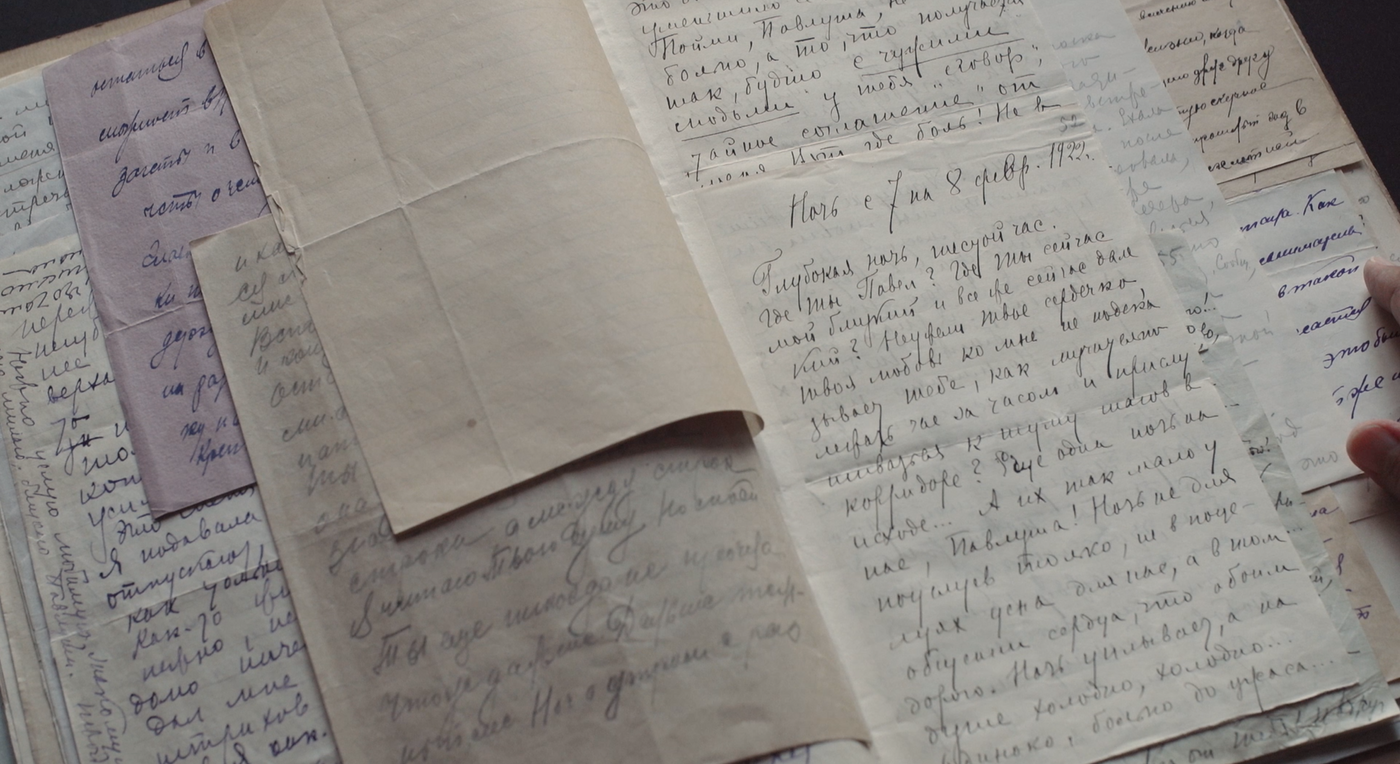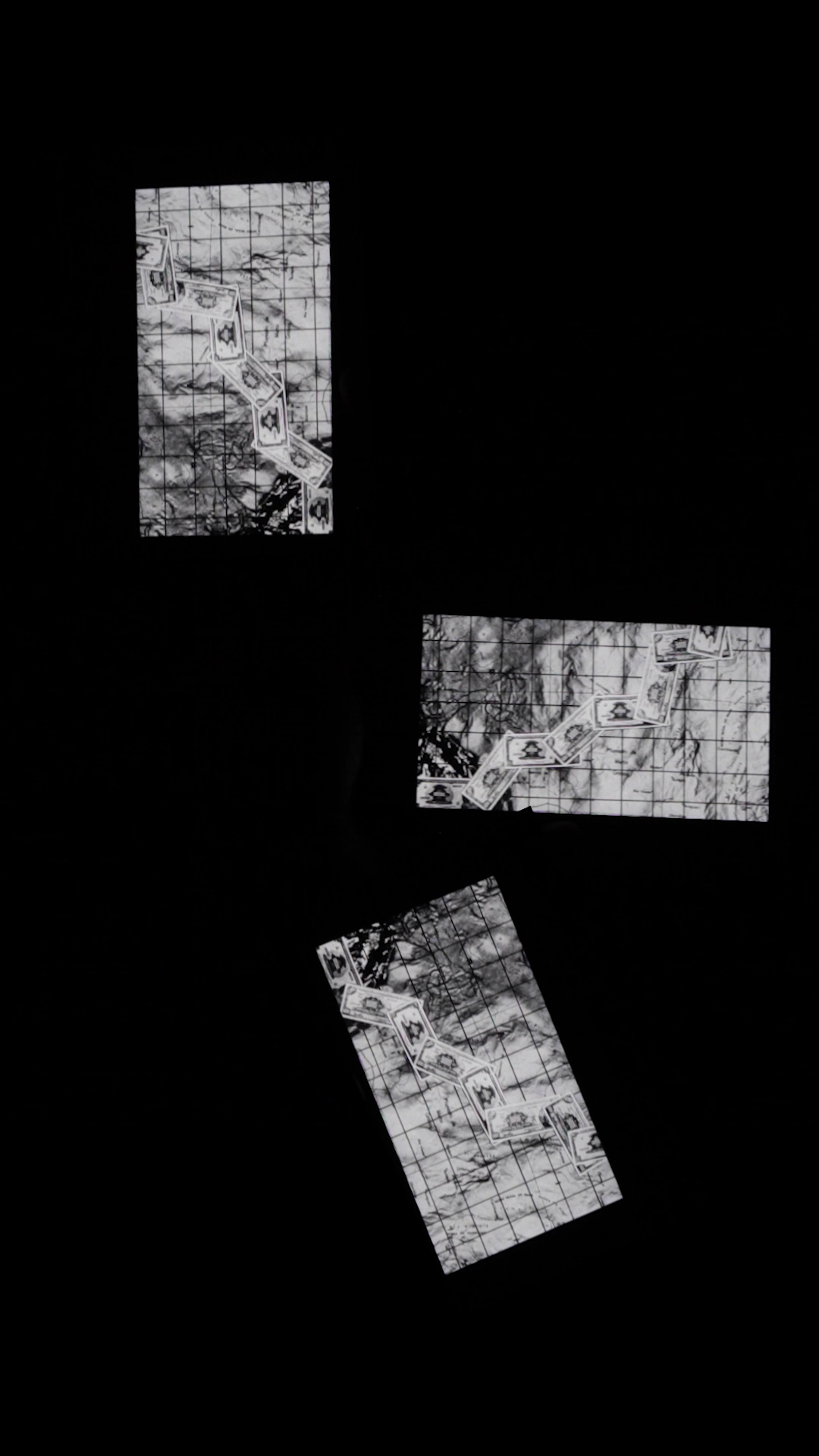
Education by Night includes the newly commissioned video Night Geography.and a selection of archival texts, short movies, documents and drawings inspired by documentaries about Latin America that were made for schools in the United States during the 1950 to 1980. These films often used corporate film footage to portray the region as a territory of endless resources, open to new ideas of progress and modernization. They boasted a rhetoric that promoted the inherent cultural commonality between the North and South of the Americas, a sense of solidarity that essentially supported the economic interests of the US. Pedagogy and culture were used as a political and ideological construction furthering asymmetrical relations of codependence.
The film takes as a starting point a text message exchange between Clara Ianni and a friend who, while quarantined saw a strange line of satellites crossing the night sky. This appearance reported by her friend brings Clara, impacted by the current Brazilian context, to ponder how data can be manipulated for socioeconomic purposes. By drawing parallels between past and present, and overlapping historical aspects, the film exposes s relationships between the Cold War, military dictatorship, and the current context of unbridled global capitalism. Through poetic inserts within the filmic narrative, Clara Ianni also imagines coming possibilities.
The exhibition builds further on former works by the artist, such as From Figurativism to Abstractionism, and Commodities that dealt with the relationship between Brazil and the US through culture and pedagogy.
Images: Education by Night 2020-22
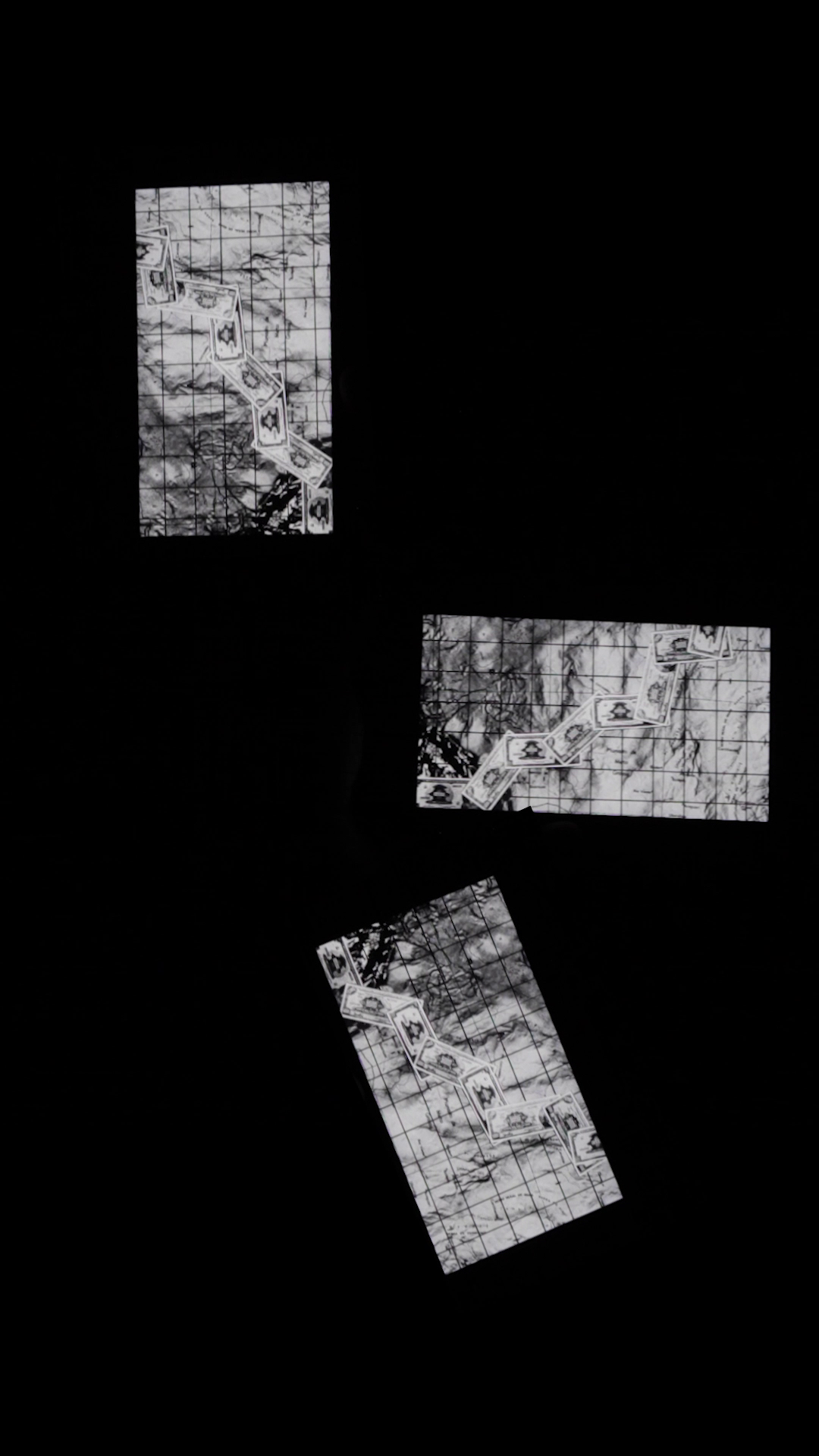
Education by Night comprises the newly commissioned video Night Geography as well as a selection of archival texts, short movies, documents, and drawings inspired by documentaries about Latin America that were made for schools in the United States between the 1950s–1980s. These films often used corporate footage to portray the region as a territory of endless resources, open to new ideas of progress and modernity. They boasted a rhetoric emphasizing the inherent cultural commonality between the North and South of the Americas. By promoting a sense of solidarity, these media supported the economic interests of the U.S., who essentially saw the region as a provider of cheap labor and raw materials as well as a valuable export market.
This capsule exhibition traces echoes of that period in the present in a non-linear manner. It lays bare how pedagogy and culture have often been instrumentalized as political and ideological tools for furthering asymmetrical relations of codependence.
About the Artist
Clara Ianni was born in São Paulo in 1987. Her practice explores the gaps and contradictions between perception of time, historic narration, and the materialization of historical processes on the fringes of capitalism.
Exhibition Guide and Spanish Translations